In short
- Google Ads gives traffic straight away, but it disappears when the campaign is switched off; SEO takes longer to build and stays.
- Choose ads at the start for a new business, a season, an offer test or an urgent need for customers.
- SEO works for services searched for all the time, local competition and a limited budget over the long term.
- Combining both methods lets you win enquiries quickly while building independence from paid traffic.
- Before you start, set up conversion measurement: form submissions and phone calls.
Table of contents (9)
Owners of small businesses often ask me where to start: Google Ads or SEO. Both routes lead to the same place, namely a customer who types their problem into Google and lands on your website. They differ in speed, in the way you pay and in what is left once the work is finished. Below I describe how to tell them apart and how to choose at the start.
How advertising differs from SEO
Google Ads advertising is paid traffic that works only while the campaign is switched on. SEO is work on your website thanks to which it appears in organic results without a fee for each visit.
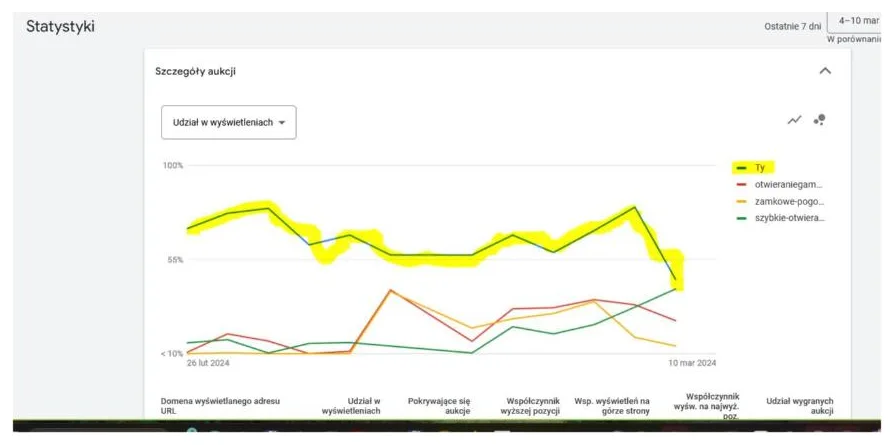
With ads you pay per click. Google's documentation describes it plainly: with cost-per-click (CPC) billing you pay for every click on an ad, and the actual rate is often lower than the maximum you set. When you switch the campaign off, the traffic from it disappears the same day.
SEO works differently. You improve the content, the structure of the website, its speed and its credibility. The effect arrives gradually, but visits from organic results are not billed per click. The work on them does have a cost, though: time, content and often the support of a specialist. I write about this more broadly in the article how much SEO costs.
A simple picture: advertising is like renting a stall, while SEO is like building your own shop. In the first case you have traffic straight away, but only until the lease ends. In the second you wait longer, and the result stays.
Google Ads or SEO: a comparison
The table below collects the most important differences. It is a general picture; the specific values depend on the industry, the competition and the quality of the website.
| Feature | Google Ads | SEO |
|---|---|---|
| Time to results | Most often from the first days after launch | Gradually, usually after months of work |
| How you pay | For clicks on the ad | For work on the website, not for clicks |
| Control | High: budget, hours, location, keywords | Lower: results depend on algorithms and competition |
| Durability | Traffic ends when the campaign is switched off | Effects persist after the intensive work is finished |
| Measurability | Very precise, from click to enquiry | Good, but with less precise attribution |
| Which industries | Urgent, seasonal, new offers, those with good margins | Services searched for all the time, local competition |
If you want to see what running a campaign looks like, I describe it on the page about Google and Meta ads. You will find the work on organic visibility in the SEO offer.
When to start with Google Ads
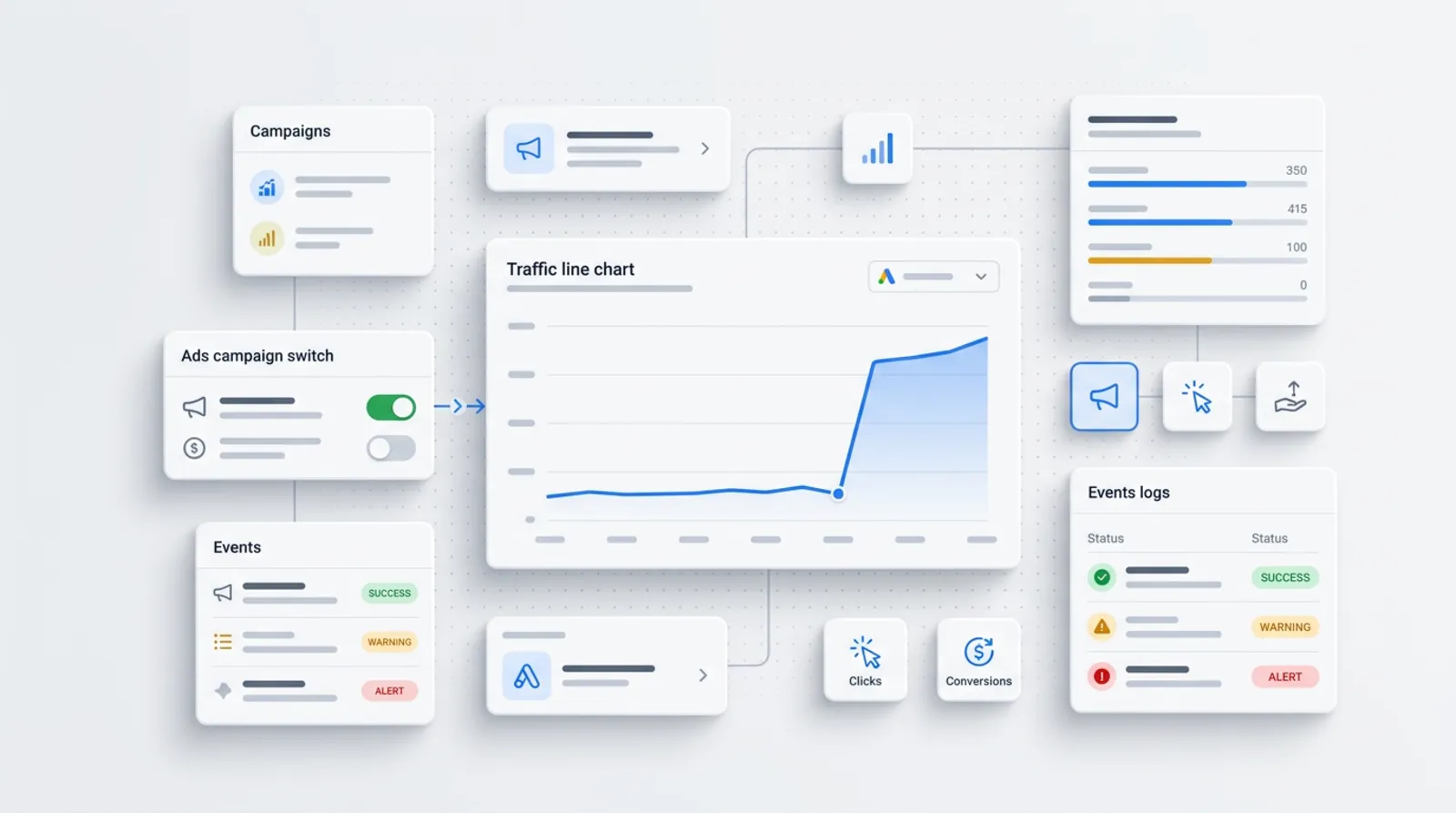
I choose ads at the start when you need enquiries quickly, or when you want to check whether the offer sells at all. They give you data that SEO makes you wait for.
The most common situations:
- A new business or a new website. A domain with no history needs time to appear in organic results. Ads let you win the first enquiries in the meantime.
- A season. If customers look for you only for a short period of the year, SEO may not be in time. You switch the campaign on for the season and off after it.
- Testing an offer. Before you invest in content for a new service, you can check through ads whether anyone is asking for it and how they react to the message.
- Urgent jobs. When you are short of customers now, not in half a year, advertising is the only route that works immediately.
From practice: Ads lose money fastest when they send traffic to a website that does not say clearly what the business does and how to contact it. That is why before launching a campaign I check the website, and only then set the bids.
When to start with SEO
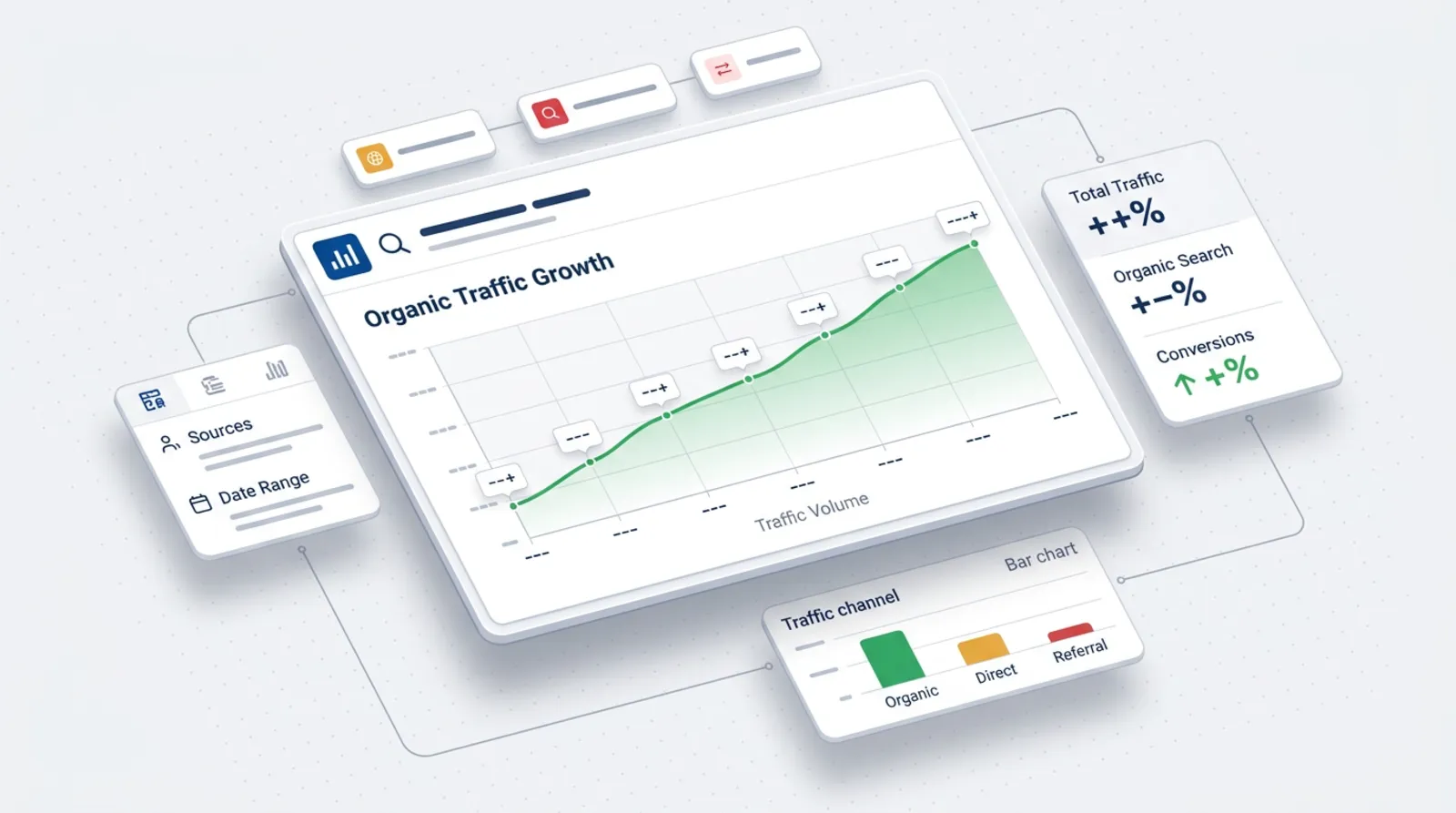
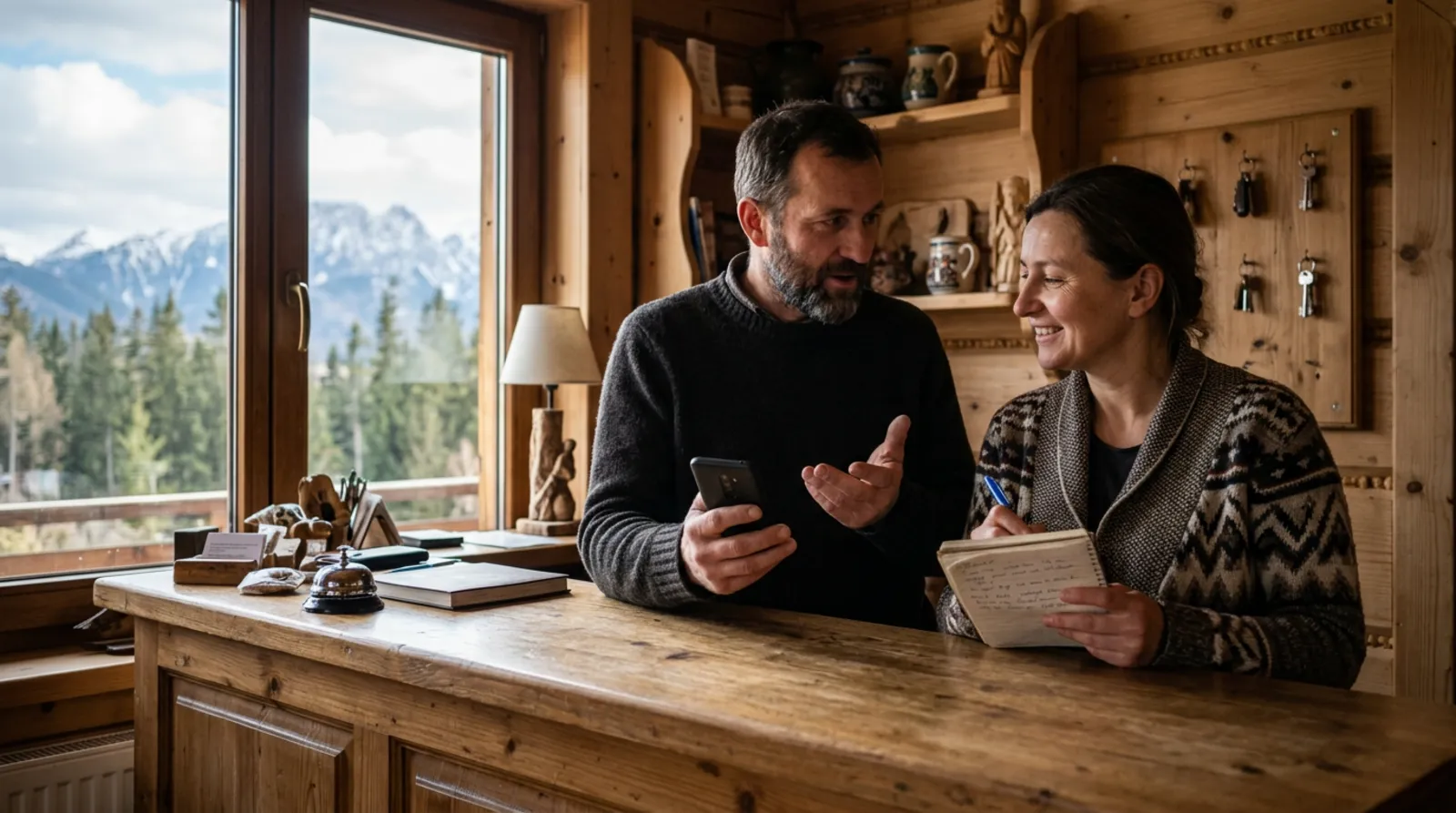
I choose SEO when people search for your service all the time and you can wait for the result. It also works well where every click on an ad would be expensive relative to what you earn from one customer.
This applies especially to:
- services searched for all year round, such as a plumber, an accountant, a physiotherapist or a garage,
- local competition, where presence in local results and reviews decide who gets the customer,
- a limited monthly budget over the long term, because a website that wins rankings also works in the months when you have no money for ads.
For a local business an important element is the Google Business Profile, the so-called listing. Google's documentation confirms that it can be managed free of charge. It is often the cheapest starting point, because it helps in local results and on maps. I described the setup steps in the article on the Google Business Profile for your company.
When both at once and how to split the budget
It is worth combining both methods when you have a budget for ads and at the same time want to build independence from paid traffic. Ads bring enquiries now, and SEO takes over a growing share of traffic over time.
The split of the budget depends on the goal, not on a rule. I describe it conceptually:
- At the start a larger part of the funds goes to ads, because they bring the first data and enquiries.
- A fixed, smaller part goes to the basics of SEO: a correct website structure, content for the main services and the Business Profile.
- When the website starts to win organic enquiries, you can gradually shift funds towards content and leave in the ads only the keywords that really pay off.
Ads also provide knowledge for SEO. You see which phrases bring enquiries and which only bring clicks with no contact. That is good material for planning content.
How to measure results
Measure enquiries, not just clicks. A click is not yet a customer, so what counts is how many people called or filled in a form.
Google Ads calls such events conversions. According to the official documentation, a conversion can be a purchase, a sign-up or a phone call. Tracking lets you see which keywords and ads produce valuable actions, and it is the basis on which automated bidding strategies work.
For a small service business I usually set up two types of conversion:
- Contact form. The event of submitting the form on the website, configured through a Google tag or Google Tag Manager.
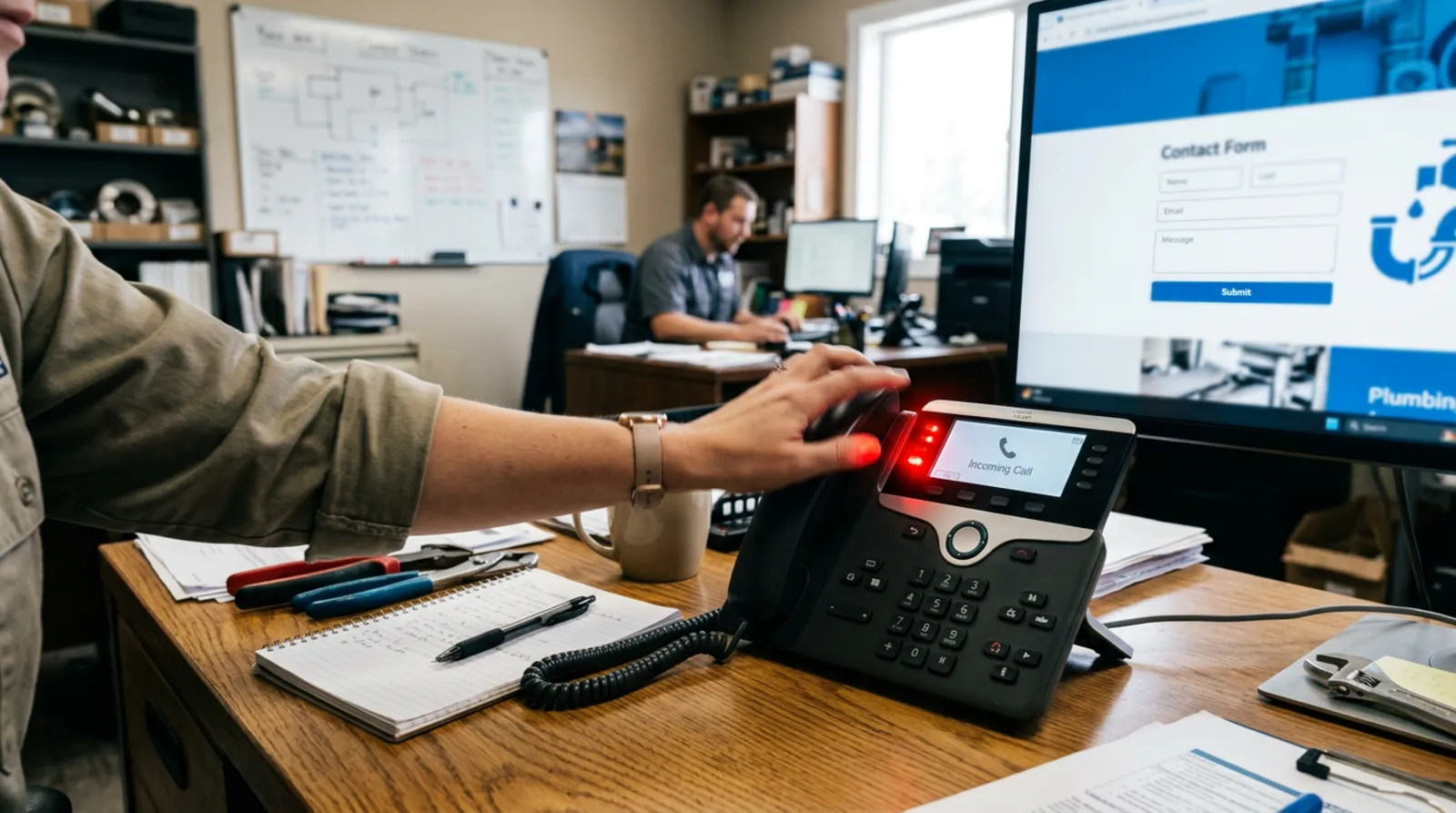
- Phone. Google lets you measure calls from ads, as well as clicks and calls from the number shown on the website. A call can be counted as a conversion only once it exceeds a length of time that you set yourself, which filters out wrong numbers and short calls.
Before launching a campaign, check that each of these events is really being recorded. Submit a test enquiry and see whether it appeared in the panel. For SEO I use Google Search Console and Google Analytics, so the same contact events, only without a price per click.
From practice: What I see most often is measurement that counts visits to the thank-you page but does not count phone calls. A service business then loses a large part of the picture, because many customers prefer to call rather than fill in a form.
Typical mistakes at the start
Most problems come from haste and a lack of measurement, not from the choice of method itself.
- Launching ads without conversion tracking. Then you know how much you spent but not what it gave you.
- Reach and keywords that are too broad. A campaign across the whole of Poland for a business that operates locally spends the budget on unnecessary clicks.
- SEO without patience. Giving up after a few weeks because nothing has changed means throwing away the work just before the effect.
- Expecting advertising to fix a weak website. If the website is slow or unclear, traffic will only expose that.
- No Business Profile. In local results it is often the first thing the customer sees.
- Treating the two methods as rivals. For many businesses they are two stages of the same road, not a choice of one for ever.
Where to start in your business
Start by answering three questions. Do you need customers right now? Do people search for your service all the time? Do you have a website that clearly leads to contact?
- Set up or tidy your Google Business Profile. It is free and useful in both scenarios.
- Set up measurement of the form and of phone calls before you spend the first złoty on ads.
- If you need enquiries quickly, launch a small, well-targeted local campaign.
- At the same time improve the basics of the website: content for the main services, speed, contact details.
- After a few weeks, review which keywords brought enquiries and use that to plan further content.
If you do not know which option suits your industry, write to me. We will discuss where to start in your case.
Frequently asked questions
Can I start with ads and add SEO later?
Yes, it is a common arrangement. Ads bring the first enquiries and data on which keywords work. You then use that data to plan content for SEO.
What happens when I switch off a Google Ads campaign?
The traffic from ads will stop. You pay for clicks, so without a campaign there is neither a cost nor visits from ads. Organic results do not depend on it.
Do I need a website to launch ads?
In practice yes, because an ad leads the customer to a specific place. The website should clearly describe the offer and show how to make contact, otherwise clicks will not turn into enquiries.
How can I check whether phone calls from ads are counted?
Google Ads makes it possible to measure calls from ads and from the number on the website. After setup, make a test call and check in the panel whether the call was recorded as a conversion.
Does the Google Business Profile replace SEO?
No, but it complements it. The Business Profile is free and helps in local results and on maps, while SEO concerns the visibility of the website itself.
Sources

Author
Piotr Babczyński
I help businesses win customers online: SEO, Google and Meta ads, automation and AI. I work from Szczecin, Poland, and remotely. I write about what I test on real projects.
- 30 years in IT
- SEO and Google Ads
- AI implementation
- #Google Ads
- #SEO
- #small business
- #conversions