AI for business · Team training
AI training for companies, built on examples from your everyday work
I run practical AI workshops for your team. We work on tasks from your company, and employees leave with concrete skills they can use the very next day.
Do any of these sound familiar?
- Only one or two people in the company can use AI, and the rest don't know how to start.
- Employees type short, general prompts into AI and get poor results.
- You went to a general AI training, but nothing from it made it into daily work.
- The team is afraid AI will take their jobs or that they'll break something.
- Nobody knows how to check what AI has generated.
General training rarely changes daily work. Learning on examples from your own company works best.
What it is
What AI training for companies is

These are workshops where the team learns to use AI for its own tasks. Instead of a presentation about what the technology can do, we work on real examples: emails, quotes, descriptions and documents from your company. Each participant tries it themselves and sees what works.
I show how to phrase prompts so the result is useful, how to check answers and how to avoid mistakes. I also cover security: what not to paste and when to anonymise data. I teach a simple, repeatable way of working that can be used every day.
I adapt the training to your industry and the level of your team. I hold the Google certificate “Using AI to Grow Your Business” from the AI Skills for Tomorrow programme, but what matters more than the paper is that I teach with tasks your employees really do.
What you gain
What you gain from the training
A team that can get started
Employees leave the workshop with a concrete skill and ready-made prompts for their tasks.
A shared way of working
The whole crew learns in a similar way, so results are consistent and it's easier to swap tips.
Less fear of AI
When people try the tool themselves, part of the fear goes away. They see that AI is a helper, not a threat.
Awareness of the risks
Employees know how to check results and protect data, so they use AI responsibly.
Example
What it looks like in practice
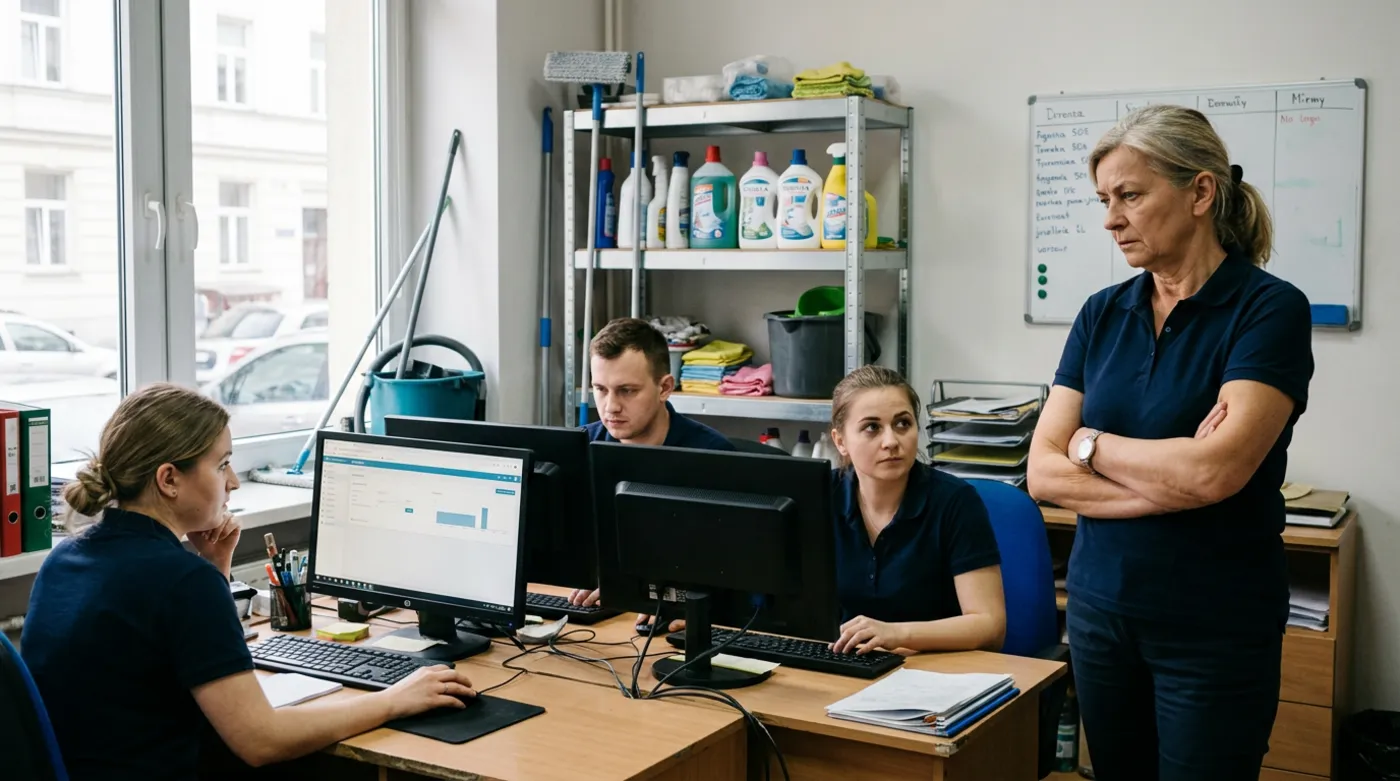 Before the training
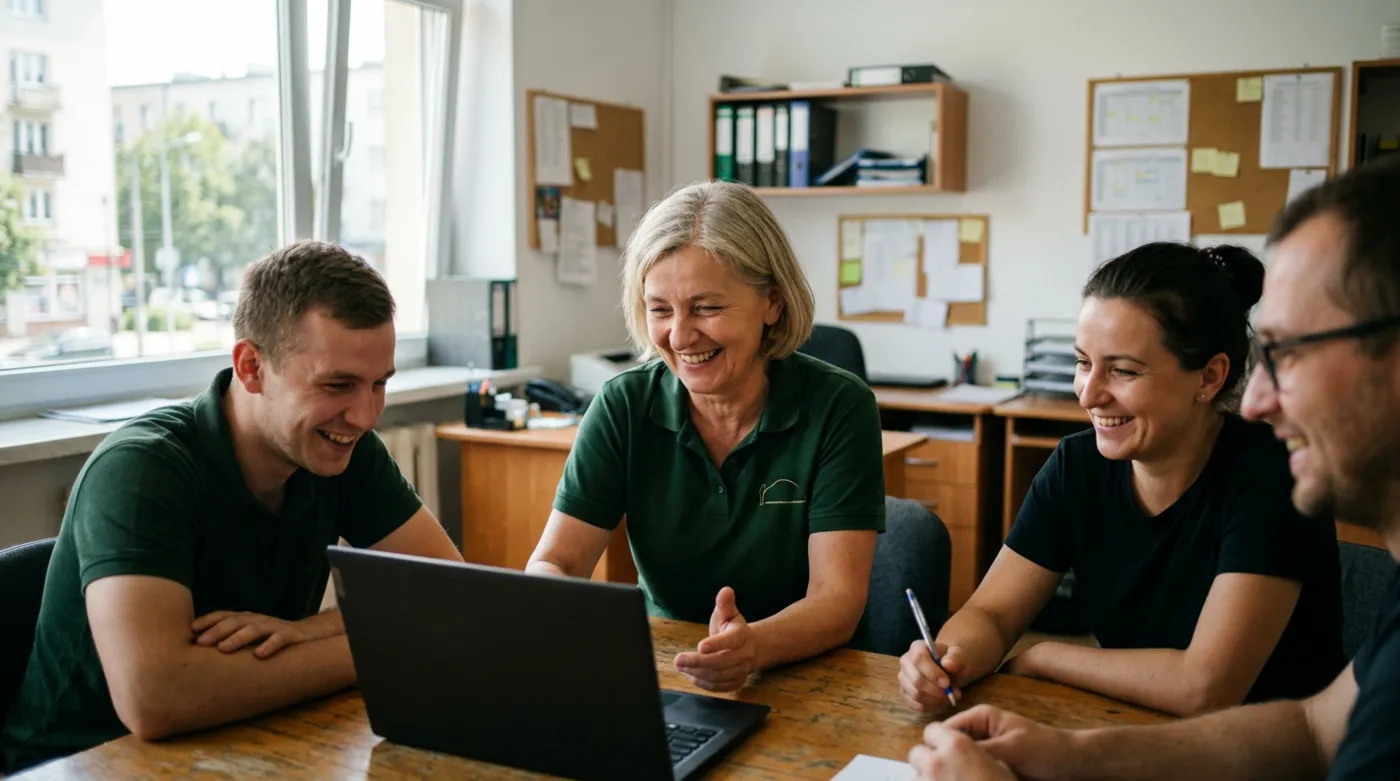 After the training
An illustrative example based on situations I often see in small businesses.
Step by step
What it looks like from your side
- 1
A conversation about the team
Your part: a conversationYou tell me who works in the company, what tasks they do and how well they know AI.
- 2
Preparing the workshop
Your part: a few examplesI prepare exercises based on examples from your industry, so participants work on familiar tasks.
- 3
A workshop with the team
Your part: team attendanceI run a session where everyone tries things on their own computer and asks questions.
- 4
Materials and questions
Your part: using itThe team gets short materials for work after the training and can come back to me with questions.
What you get
What you get
- A workshop matched to your industry and your team's level
- Exercises on tasks from your company
- Ready-made prompts for the most common tasks
- Rules for safe use of AI, discussed with examples
- Short materials for participants to keep working with
- The chance to ask questions after the training

“I hold a Google certificate in using AI to grow a business, but practice teaches the most. That's why I teach with tasks your employees do every day.”
Who AI training is for
- Companies that want their team to use AI knowingly and in a similar way
- Teams where only one person can work with AI
- Owners who want to train people on their own tasks, not on theory
- Offices, shops and service companies with staff who have little experience of technology
Frequently asked questions
What does AI training for companies look like?
They are workshops where the team works on its own tasks: writing emails, summarising documents, preparing quotes. I show how to phrase prompts for AI, how to check results and how to look after data. Fewer presentations, more shared work at the computers. Every participant tries it themselves.
Is the training for people with no experience?
Yes. I start with the basics and explain every term in plain language. I assume no technical knowledge. People who already use AI get extra tips, and beginners can keep up at their own pace. Nobody is left behind, because questions are welcome at every stage.
How many people can take part in one training?
Small groups work best, where everyone can ask a question and try something on their own computer. We agree the exact number once I know your team and the scope of tasks. If there are more people, we can split the training into several meetings. It all depends on your needs.
Who runs the training and what experience do they have?
I run it personally. I've worked in IT for over 30 years, and I also completed Google's AI Skills for Tomorrow programme with the Warsaw School of Economics (SGH) and hold the certificate “Using AI to Grow Your Business”. Most importantly, though, I teach with real tasks from companies like yours.
See also
What else AI can do for you
Free consultation
Let's talk about your business
A no-obligation chat: I'll tell you what will really bring you more customers and what it costs. I reply within 24 hours.